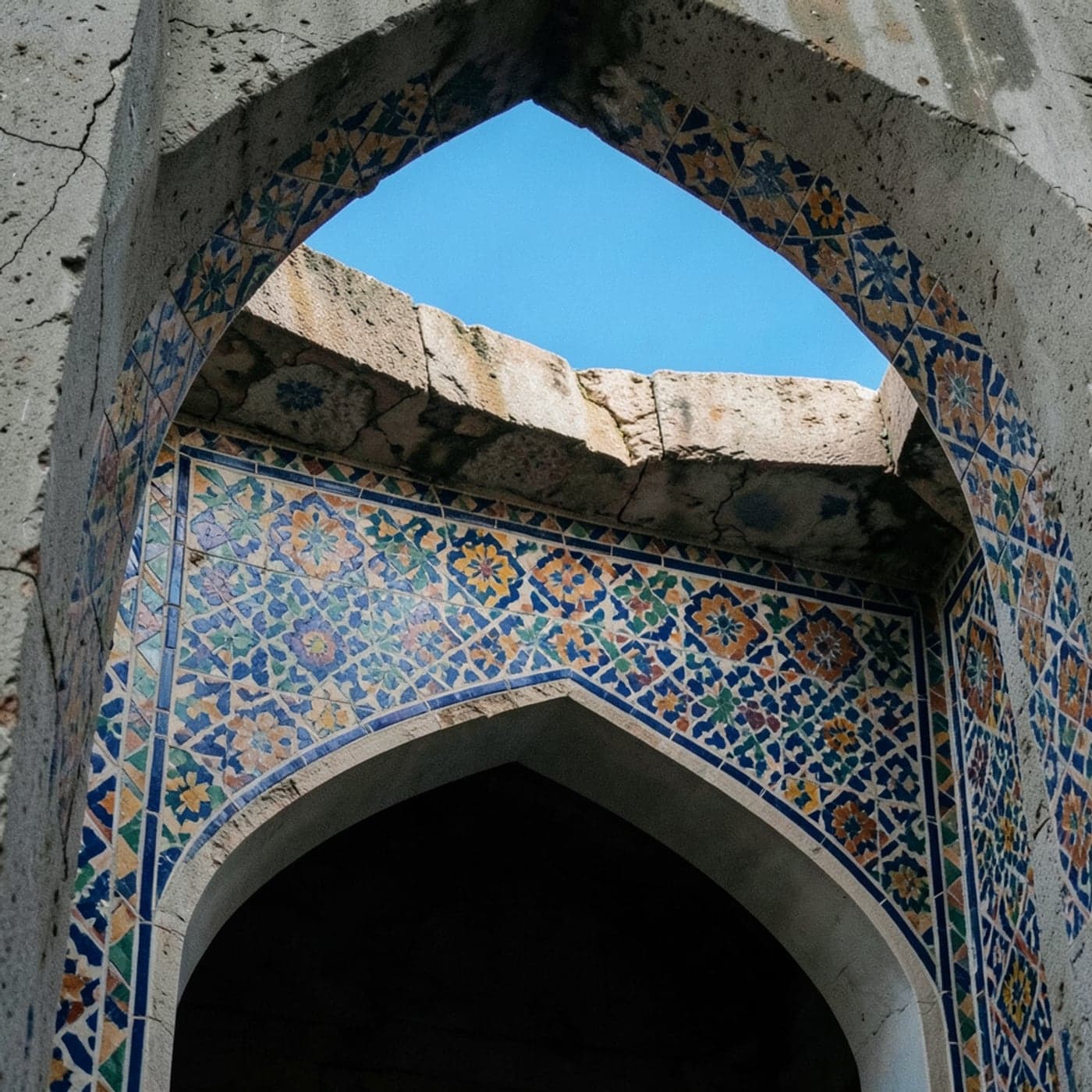
A kingdom's artistry, untouched by human forms, meticulously handcrafted a portal to its culture in the heart of Florida.
From the Morocco Pavilion at Epcot Wikipedia page. The hosts are synthetic voices.
Read the script
In the bustling heart of Florida, amidst the fantastical landscapes of Walt Disney World, lies a kingdom’s artistry, untouched by human forms. It’s a portal to a culture, meticulously handcrafted, a testament to an extraordinary collaboration that brought the true spirit of Morocco to life at Epcot. This isn't just another themed pavilion. The Morocco Pavilion, which opened in 1984, stands unique in the World Showcase. It was the first expansion pavilion, but more importantly, it holds the distinction of being the only one whose design and creation received direct governmental aid and sponsorship from the nation it represents. This was an unprecedented partnership, one born from a desire to share Morocco's rich cultural tapestry with the world. Imagine King Hassan II of Morocco, not just endorsing a project, but personally dispatching his own master artisans to Florida. These weren’t mere decorators; they were custodians of centuries-old traditions, entrusted with the task of recreating a piece of their homeland. Their mission: to craft the intricate mosaics that adorn the pavilion, adhering strictly to Islamic artistic principles. This meant depicting only geometric patterns, swirling arabesques, and natural motifs – never human forms. It’s a profound aspect of Islamic art, a dedication to abstract beauty that speaks volumes about a culture's reverence for the divine. The result is a feast for the eyes, a symphony of color and pattern that tells a story without a single human likeness. From the moment you step into the pavilion, you are transported. The layout itself is designed to evoke a bustling Moroccan city, a labyrinth of narrow streets and sun-drenched courtyards. Replicas of iconic landmarks stand proudly: the towering Koutoubia minaret, a spiritual beacon, and Bab Boujeloud, the grand gateway to the ancient city of Fez. Within this meticulously crafted environment, guests are invited to immerse themselves. The Fes House offers a glimpse into a typical Moroccan home, while the Gallery of Arts and History deepens understanding of the Moroccan people’s lifestyle and culture. North African plants – citrus trees, date palms, olive trees – bring the landscape to life, and the air often carries the scent of spices from the dining establishments. Here, the culinary journey is as authentic as the architecture. Restaurants like the former Restaurant Marrakesh and the Tangierine Cafe serve traditional Moroccan fare: rich roast lamb in Tajine, fluffy Couscous, and warming Harira soup. The hand-tiling, so central to the pavilion’s artistic identity, is particularly evident in the restaurant spaces, shimmering under brass chandeliers and alongside thuja-inlaid paneling and bukhara carpets. The marketplace, a vibrant souk, invites exploration. Six shops offer a treasure trove of Moroccan goods, from intricately woven rugs and exquisite leather goods to traditional clothing and brass and silver plates. It’s a place where you can almost hear the calls of merchants and the murmur of daily life. Even a subtle detail, like the top of the Twilight Zone Tower of Terror at Disney’s Hollywood Studios, was designed to blend seamlessly with the Moroccan architecture when viewed from the pavilion. It's a testament to the comprehensive vision for authenticity. For decades, the Moroccan government’s sponsorship ensured this level of detail and cultural integrity. Though Disney took ownership of the pavilion in 2020, the foundation laid by King Hassan II’s artisans remains. It’s a rare glimpse into a culture built on exquisite, non-figurative art, a place where every mosaic, every archway, every courtyard tells a story of a kingdom's heart. This portrait is based on the Wikipedia article titled "Morocco Pavilion at Epcot," available under Creative Commons. The hosts are synthetic voices.